
22. Why the traditions differ
流派
Fifteen treatment traditions, three kinds of authority behind them, and an honest account of what each kind of authority can and cannot claim.
Key terms
- Trial evidence
- Supported by randomised controlled trials or systematic reviews.
- Classical text
- Derived from named, traceable classical sources.
- Lineage transmission
- Taught practitioner to practitioner, with little or no published trial base.
Same points, different logic
The traditions do not disagree much about where the points are. They disagree about how to choose them. One reasons from organ patterns, another from the five phases, another from mirrored anatomy, another from the pulse under the practitioner's fingers, another from a family transmission that was never written down until recently.
Medi-Chi models fifteen of them, and every treatment output the platform generates is tagged with the kind of authority it rests on. A Cochrane review and a lineage transmission are both legitimate inputs; they are not the same claim, and blurring them is how a profession loses its credibility.
The three bases
Trial evidence means point selection has been tested in controlled studies — scalp acupuncture in stroke rehabilitation, wrist-ankle needling in post-operative pain, Jin's three-needle protocols in neuro-rehabilitation. Quality still varies study by study.
Classical text means the selection is traceable to a named source: the Nàn Jīng for five-phase point rules, Lǐ Shízhēn for the eight extraordinary vessels, the rGyud bZhi for Tibetan practice. Textual authority is documented and checkable, and it is not evidence of effect.
Lineage transmission means the source is the teaching itself — Richard Tan's Balance Method, Tung family points, Toyohari, Diện Chẩn, Mikio Sankey's esoteric patterns. Say so plainly to patients rather than dressing it in the language of trials.
In the treatment room
- Tell patients which tradition you are using and what it rests on. It takes one sentence and it is a compliance asset.
- Comparing two traditions on the same case is a genuinely useful teaching exercise — the platform's multi-style comparison exists for exactly that.
Chapter quiz
3 key terms from this chapter. Your best score is kept on this device and shown in the study plan.
Read alongside
From the Medi-Chi library — included with an annual subscription.
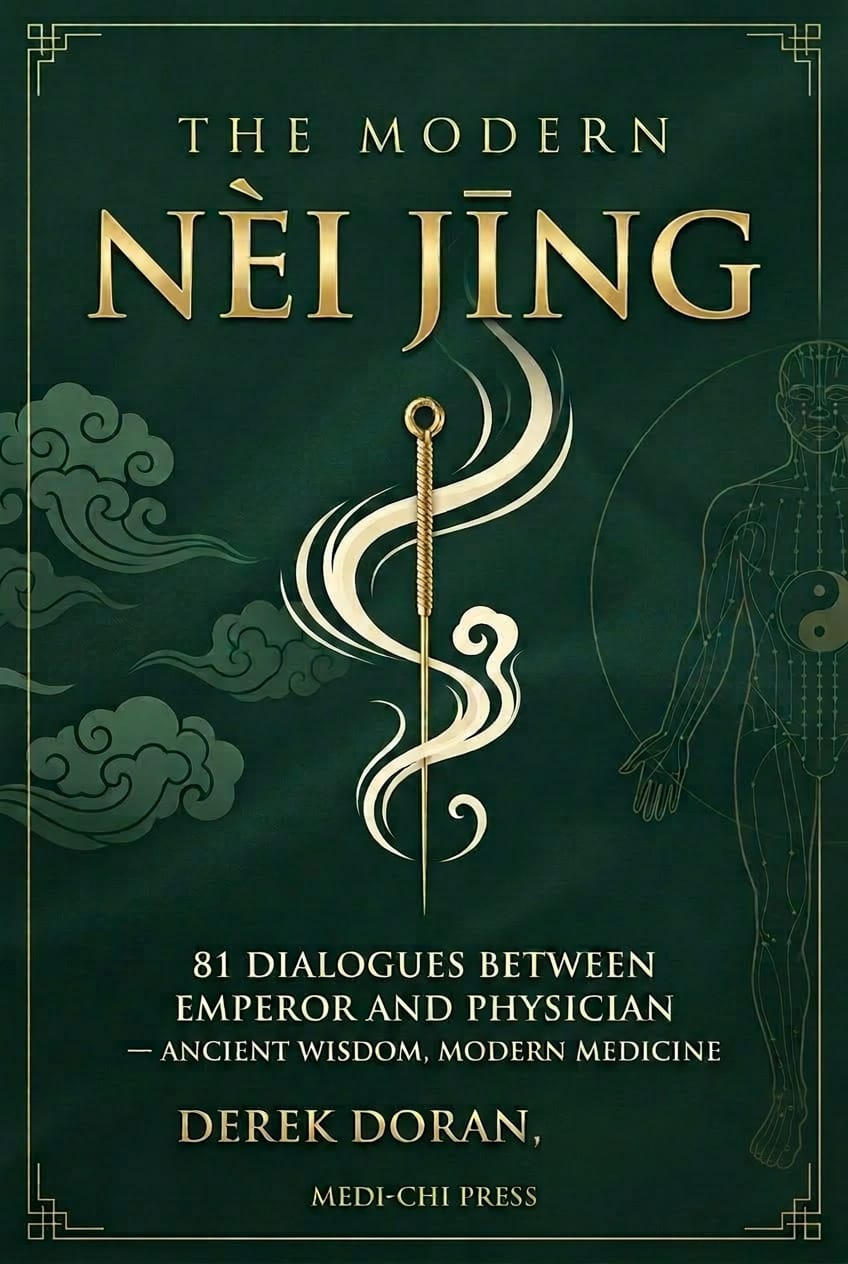
The Modern Nèi Jīng
Sù Wèn — all 81 chapters
Almost every tradition claims descent from the Nèi Jīng; reading it shows what they each took.
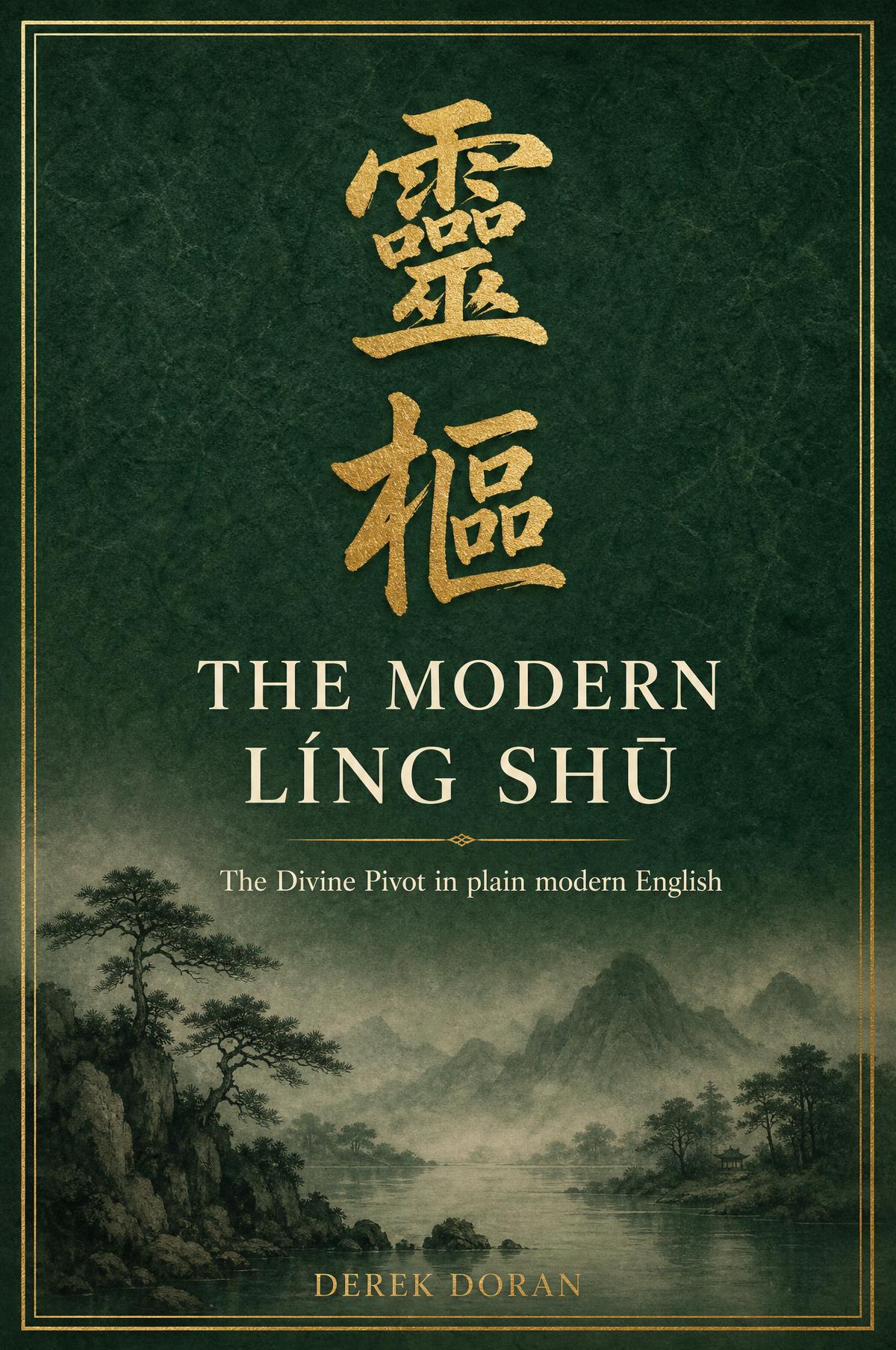
The Modern Líng Shū
The Divine Pivot — all 81 chapters
The Líng Shū is the shared root of the channel-based systems.
Study companion units for this chapter
Sources
- Medi-Chi tradition evidence model
- STRICTA reporting standards