Cupping Therapy: Traditional Techniques and Modern Evidence
Medically Reviewed by Derek Doran, BHSc (Acupuncture) · AHPRA Registered · AACMA Member · Updated July 6, 2026
Cupping therapy is one of those treatments that everyone recognises from the photos: perfectly round, bruise-coloured circles across an athlete's back or shoulders. The marks get the attention, but the real question is whether the suction underneath them does anything useful.
In short: for musculoskeletal pain and stiffness, the evidence is surprisingly supportive. It is not a cure-all, and the marks are not "toxins" being pulled out, but cupping has a legitimate place in an integrative pain-management plan when done by a trained practitioner.
What cupping is, and how it works
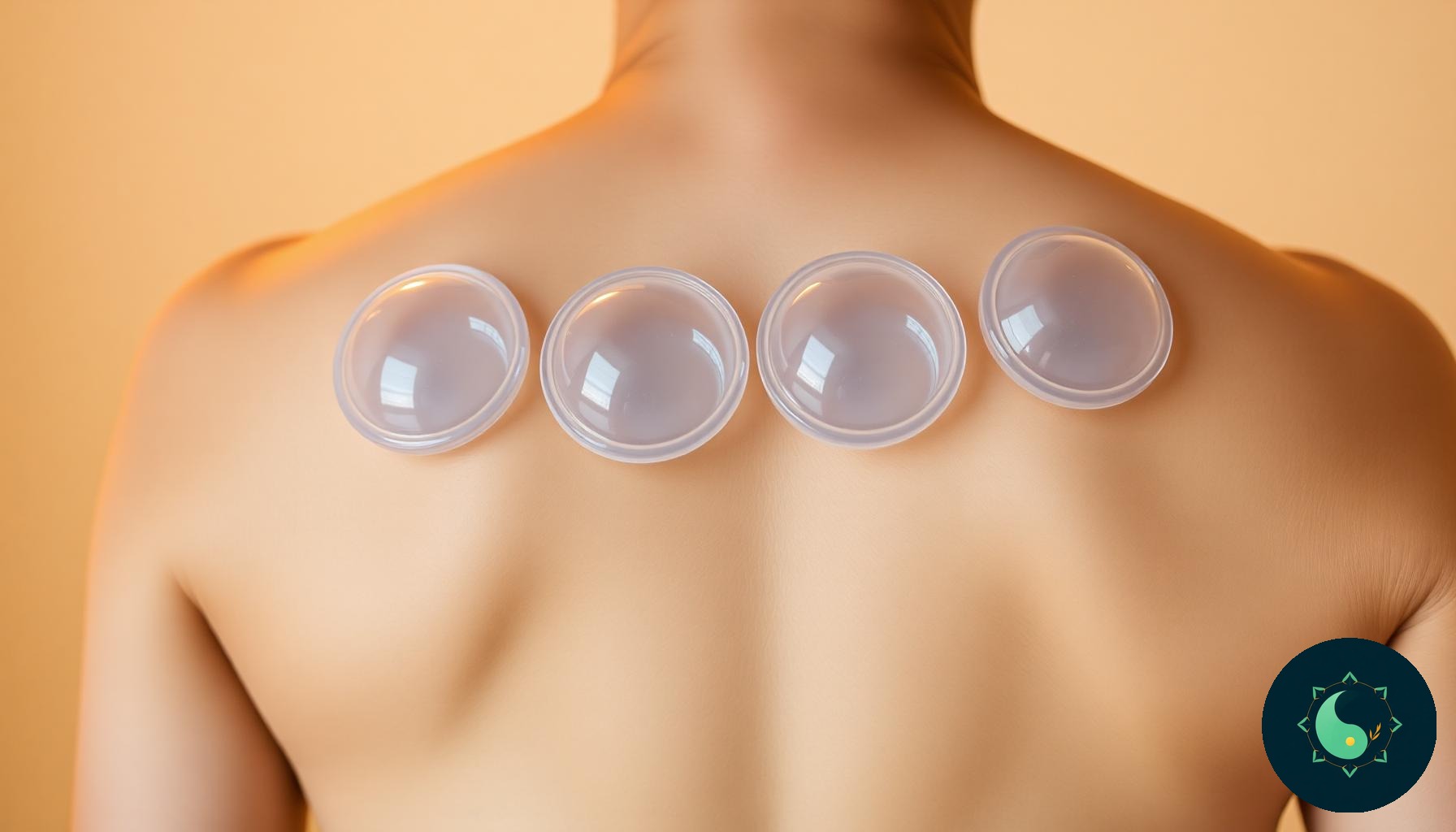
Cupping uses glass, silicone, bamboo, or plastic cups to create negative pressure on the skin. The suction can be produced by briefly heating the air inside a glass cup before placing it on the skin (fire cupping), or by using a hand pump on silicone or plastic cups (dry cupping). In some traditional styles, small superficial skin incisions are made before suction to draw a tiny amount of blood — this is called wet cupping or hijama, and it is a distinct procedure with its own risk profile [1].
The mechanism is mechanical. The negative pressure pulls skin, fascia, and underlying soft tissue upward, which:
- increases local blood flow and microcirculation,
- stretches and mobilises connective tissue and myofascial layers,
- stimulates mechanoreceptors and may modulate pain signals,
- creates a controlled, local inflammatory response that can help tissue repair [2].
A 2018 review described cupping as producing "measurable effects on pain intensity, blood flow, and range of motion" through these local tissue changes, though the exact neurological pathways are still being mapped [2].
The TCM lens: moving stagnation
In traditional Chinese medicine, cupping is used to move stagnation (滯, zhì) — whether that is stagnant Qi, Blood, or pathogenic factors such as Wind, Cold, or Dampness. The cups are often placed along the Bladder channel on the back, over the Dazhui (GV-14) and Jianjing (GB-21) areas, or locally on painful muscle groups.
Clinically, cupping is chosen for patterns that present as:
- Wind-Cold invasion — tight, painful neck and upper back with a recent onset,
- Damp accumulation — heavy, aching limbs that feel better with movement,
- Blood stasis — fixed, stabbing pain, old injuries, or chronic muscle knots.
Within the Medi-Chi Pattern Differentiation module, these patterns are mapped to the larger diagnostic framework so a patient can see why cupping might be suggested alongside acupuncture, herbal medicine, or exercise. The Meridians reference also shows where the Bladder and Gallbladder channels run on the back and shoulders — the classic cupping territory.
What the research says
Low back pain
A 2024 systematic review and meta-analysis pooled randomised controlled trials of cupping for low back pain and found that cupping, alone or combined with usual care, reduced pain and improved function more than control treatments [3]. The trials varied in quality, but the overall signal was consistent enough that cupping is now commonly included in chronic low-back-pain guidelines as an adjunctive option.
Neck and shoulder pain
A 2016 randomised controlled trial of 60 people with chronic neck and shoulder pain compared cupping to a no-intervention control. The cupping group reported significant reductions in pain and improved skin-surface temperature changes consistent with increased local circulation [4]. This fits the everyday clinical picture: cupping is often used for the tight trapezius muscles and forward-head posture that comes from desk work and phone use.
General pain evidence
A 2011 systematic review of cupping for pain found encouraging evidence for conditions including low back pain, migraine, and knee osteoarthritis, though the authors noted that better-designed trials were needed [5]. A decade later, more rigorous trials have strengthened the case for musculoskeletal pain specifically, while the evidence for non-musculoskeletal conditions remains weaker.
Turn This Knowledge Into a Treatment Plan
Enter any Western diagnosis and get a complete TCM treatment protocol — acupuncture points, herbal formulas, moxibustion, cupping, and gua sha recommendations.
Sports and recovery
A 2022 systematic review focused on musculoskeletal and sports rehabilitation found that cupping was associated with pain reduction and improved short-term function, with adverse effects mostly limited to skin marks and mild discomfort [7]. It has become a popular recovery tool among athletes precisely because it is non-invasive and can be applied to large muscle groups like the back, thighs, and calves.
Safety, contraindications, and what to expect
Cupping is generally safe when performed by a trained practitioner. The most common "side effect" is the circular mark, which is essentially a local bruise from capillary leakage under the skin. It usually fades within 3–10 days, sometimes longer on fair skin or with stronger suction.
According to the NCBI StatPearls review and clinical safety guidance, cupping should be avoided or used with caution in the following situations [6]:
- over broken skin, wounds, or active skin infections,
- over areas with severe varicose veins or deep-vein thrombosis risk,
- on the abdomen or lower back during pregnancy (depending on technique and stage),
- in people with bleeding disorders or those taking anticoagulant medication,
- in people with uncontrolled epilepsy or severe systemic illness.
Wet cupping (skin-pricking cupping) carries additional risks of infection and should only be performed by practitioners trained in sterile technique, using single-use equipment.
In Australia, cupping is commonly offered by AHPRA-registered acupuncturists and Chinese medicine practitioners, as well as some remedial massage therapists and myotherapists. If you are seeing someone for cupping, check their qualifications, ask about their infection-control practices, and make sure they know your medical history and medications.
Cupping vs. gua sha
Both cupping and gua sha are traditional manual therapies that leave temporary marks and are used for pain and stiffness. The difference is direction:
- Cupping lifts tissue upward with suction.
- Gua sha scrapes the skin surface with a smooth tool to stimulate superficial circulation.
Cupping tends to cover a broader area and works well on large muscle groups like the back and shoulders. Gua sha is often more precise for smaller areas, facial tension, and detailed work along muscle borders. Many practitioners use them together or alternate based on the patient's presentation.
What to try before your appointment
Cupping works best as part of a broader plan, not as a one-off miracle. If you are dealing with chronic neck, back, or shoulder pain, consider combining it with:
- targeted strength and mobility work (especially for the upper back and hips),
- stress management and sleep improvements, since pain and tension are amplified by poor sleep,
- acupuncture or other manual therapy for a more complete treatment plan,
- a review of your workstation setup if your pain is posture-related.
The Medi-Chi Symptom Questionnaire and Western Symptoms Guide can help you map your symptoms to the TCM patterns that often respond well to cupping, such as Qi and Blood stagnation or Wind-Cold-Damp obstruction. For practitioners, the Acupuncture Points and Point Safety references help select safe, effective local and distal points to pair with cupping.
Bottom line
Cupping is not detoxing your body, and the marks are not measuring anything magical. But the suction does create real mechanical changes in soft tissue, and the evidence for short-term pain relief in musculoskeletal conditions is solid enough that it deserves a spot in an integrative treatment plan. As always, see a qualified practitioner, tell them about your health history, and use cupping alongside — not instead of — appropriate medical care.
Frequently Asked Questions
What is cupping therapy?
Does cupping hurt?
What conditions is cupping used for?
Are there any side effects or risks?
How is cupping different from gua sha?
All Citations Verified7/7
Every PubMed citation in this article has been manually verified against its source.
💡 💡 Tip: Press and hold on citation links to open them in your browser.
Derek Doran, BHSc (Acupuncture)
AHPRA Registered (CMR0002211465) · AACMA Member
Derek is the founder of MediChi and a registered acupuncturist with clinical expertise in integrating Western diagnoses with Traditional Chinese Medicine treatment protocols.
Clinically reviewed: July 6, 2026