    Annual subscribers now receive The Modern Nèi Jīng FREESubscribe AnnuallyClinical Education ToolThis platform provides educational resources for TCM practitioners and students. It does not issue medical certificates, prescriptions, or clinical diagnoses.
    Side-by-side comparison of an ICD-10 chart and a TCM syndrome differentiation diagram
    Pattern DifferentiationIntegrative MedicineDiagnosticsClinical SkillsWestern-TCM Bridge

    How to Translate Western Medical Diagnoses into TCM Syndromes

    Medically Reviewed by Derek Doran, BHSc (Acupuncture) · AHPRA Registered · AACMA Member · Updated April 3, 2026

    March 26, 202614 min readBy MediChi Editorial

    Two Languages, One Patient

    Western medicine asks: What disease does this person have?

    Chinese medicine asks: What pattern of disharmony is expressing through this person?

    These are not opposing questions — they are complementary lenses. A patient with the Western diagnosis of "Major Depressive Disorder" might present as Liver Qi Stagnation, Heart Blood Deficiency, or Kidney Yang Deficiency in TCM — each requiring a fundamentally different treatment strategy.

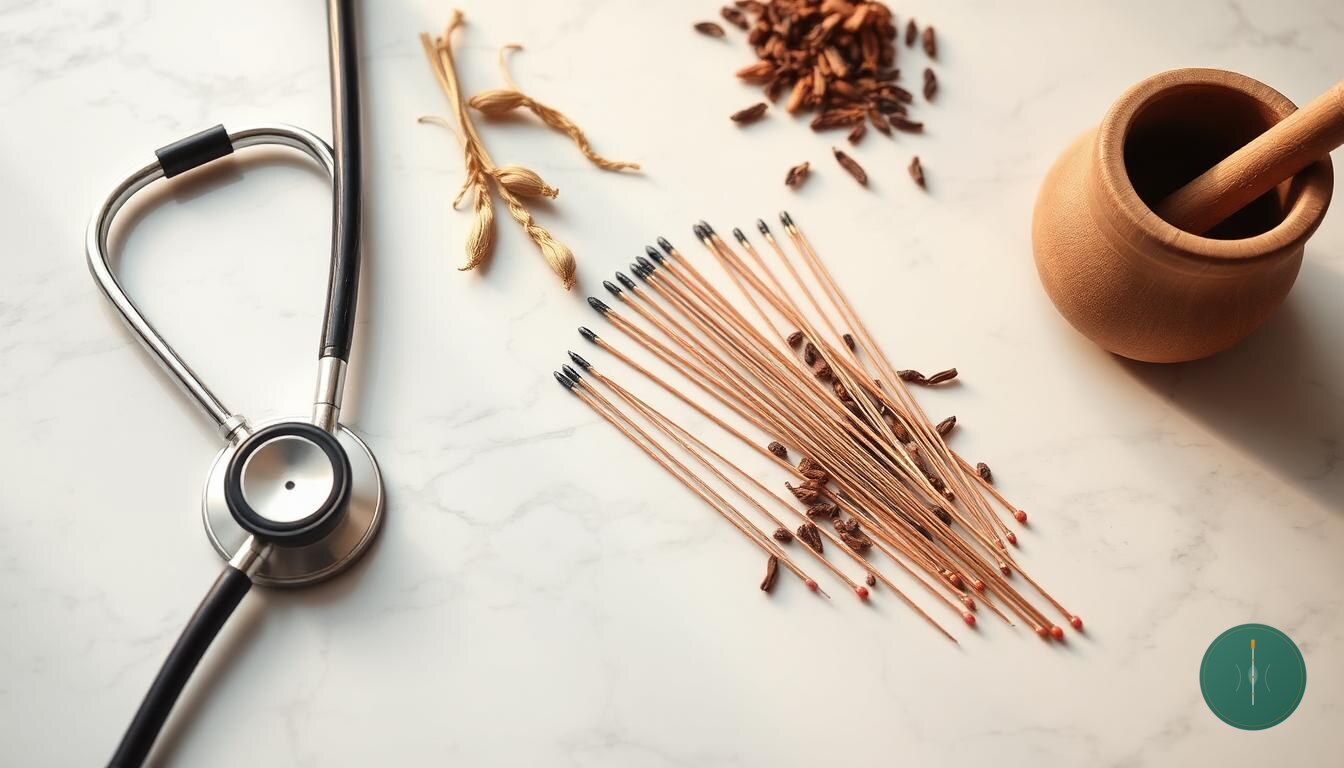
    The ability to translate fluently between these paradigms is what separates a technician from a clinician. This guide provides a systematic framework for that translation.

    Why Translation Matters

    Modern integrative clinics increasingly require practitioners to work across both systems. A 2025 study on hypertension syndromes demonstrated that TCM pattern classification adds clinically meaningful differentiation beyond standard Western diagnostic categories (PMID: 41415032).

    The translation process matters because:

    1. Precision — The same Western diagnosis can map to 3–8 different TCM patterns, each with distinct treatment protocols

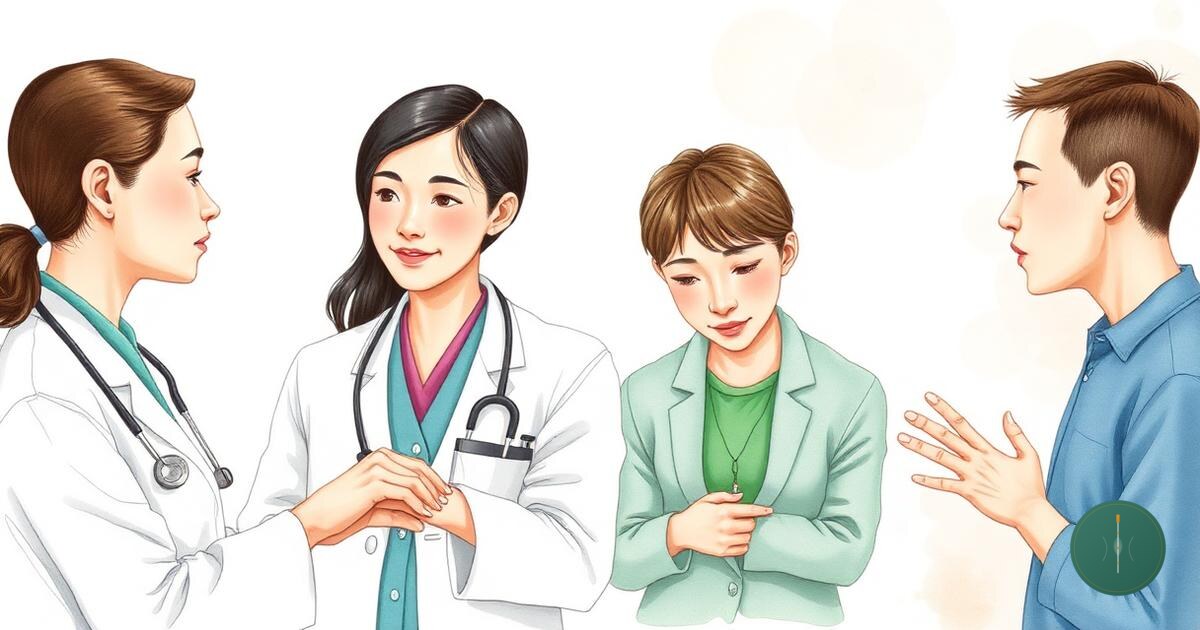
    2. Communication — Practitioners working alongside MDs need to articulate TCM findings in translatable terms

    3. Research — Pattern classification enables standardised clinical trials that validate TCM interventions

    4. Safety — Understanding the Western diagnosis ensures practitioners recognise red flags that require referral

    The Four-Step Translation Framework

    Step 1: Understand the Western Pathophysiology

    Before translating, understand what you're translating. This means grasping the biomedical mechanism:

    Western ConceptTCM Parallel
    InflammationHeat / Damp-Heat / Toxic Heat
    DegenerationKidney Essence (Jīng) Deficiency
    AutoimmunityWei Qi confusion; Yin-Yang disharmony
    IschaemiaBlood Stasis (Xuè Yū)
    Hormonal deficiencyKidney Yin or Yang Deficiency
    Neurological hyperexcitabilityLiver Wind; Liver Yang Rising
    Metabolic dysfunctionSpleen Qi Deficiency; Dampness accumulation

    This table is a starting point, not a formula. The mapping depends entirely on the individual presentation.

    Step 2: Apply the Four Pillars of Diagnosis

    Every translation must be grounded in the traditional diagnostic methods (四診, sì zhěn):

    • Inspection (望, Wàng) — Tongue diagnosis is particularly powerful. Research has shown that tongue coating microbiome analysis can objectively validate TCM pattern classifications (PMID: 23226834). For a deep dive, see our Tongue Diagnosis guide.
    • Auscultation & Olfaction (聞, Wén) — Voice quality, breathing sounds, body odour
    • Inquiry (問, Wèn) — The Ten Questions (十問, shí wèn) systematically cover sleep, appetite, digestion, temperature preference, thirst, pain, emotions, urination, bowel movements, and reproductive health
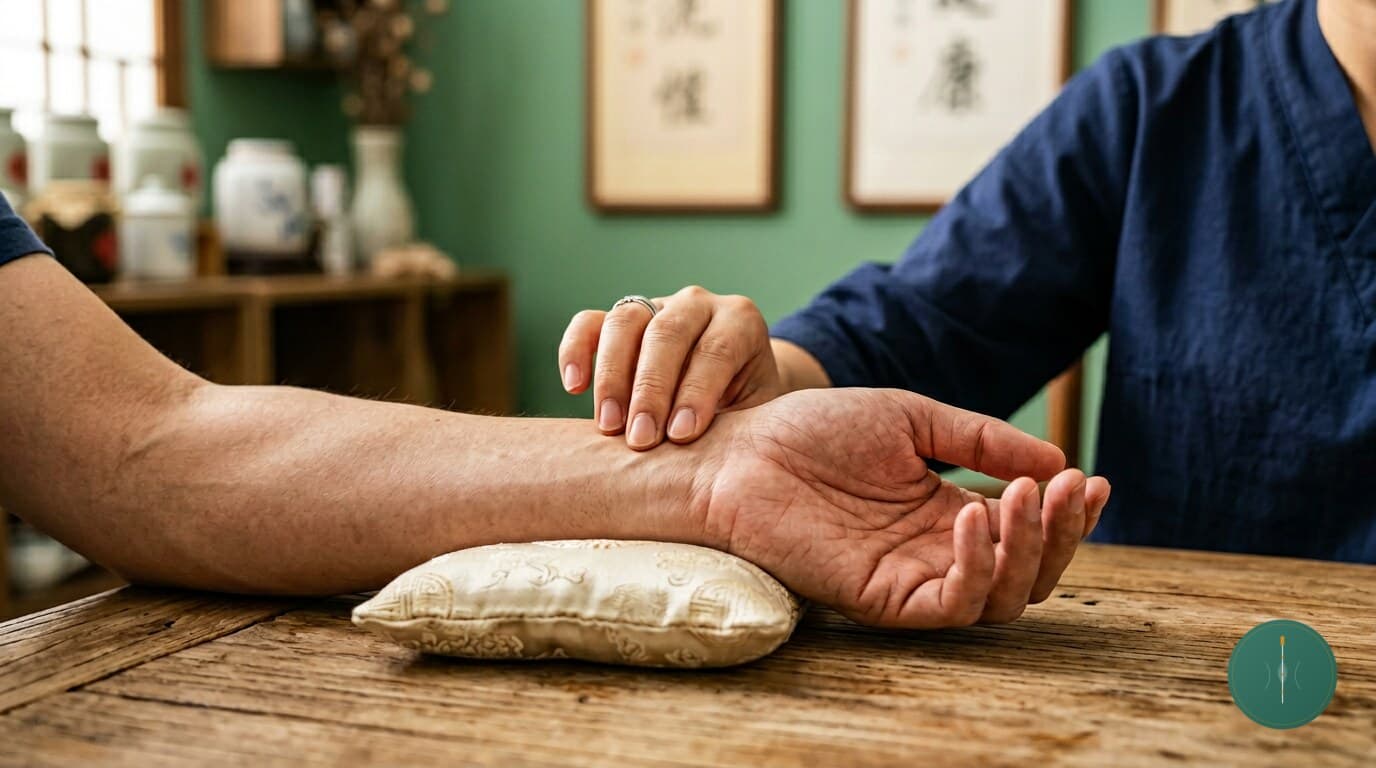
    • Palpation (切, Qiè)Pulse diagnosis reveals the state of Qi, Blood, Yin, and Yang across the organ systems

    MediChi's Symptom Questionnaire automates much of the inquiry phase, generating pattern-specific follow-up questions based on the initial presentation.

    Step 3: Identify the TCM Pattern(s)

    With diagnostic data collected, identify the pattern using the Eight Principles (八綱辨證, bā gāng biàn zhèng):

    PrinciplePairWhat It Determines
    Exterior / Interior表 / 裡Depth of pathology
    Hot / Cold熱 / 寒Thermal nature
    Excess / Deficiency實 / 虛Strength of pathogen vs. constitution
    Yin / Yang陰 / 陽Overall categorisation

    Most clinical presentations involve compound patterns — e.g., "Spleen Qi Deficiency with Damp-Heat in the Lower Jiāo" or "Liver-Kidney Yin Deficiency with Liver Yang Rising."

    Step 4: Map to Treatment Principles

    Each pattern generates specific treatment principles (治法, zhì fǎ) that determine point selection, herbal formulas, and adjunct modalities:

    PatternTreatment PrincipleExample Points
    Liver Qi StagnationSoothe the Liver, regulate QiLR3, LR14, PC6, GB34
    Spleen Qi DeficiencyTonify Spleen, raise YangST36, SP6, BL20, CV12
    Kidney Yin DeficiencyNourish Kidney YinKI3, KI6, SP6, CV4
    Blood StasisInvigorate Blood, dispel stasisSP10, BL17, LR3, SP6
    Phlegm-DampResolve Phlegm, dry DampnessST40, SP9, CV12, SP6

    For a complete reference of point categories, see our Classical Point Groups reference.

    Clinical Translation Examples

    Example 1: Irritable Bowel Syndrome (IBS)

    Western understanding: Functional GI disorder with altered gut motility, visceral hypersensitivity, and gut-brain axis dysfunction.

    Free Clinical Tool

    Turn This Knowledge Into a Treatment Plan

    Enter any Western diagnosis and get a complete TCM treatment protocol — acupuncture points, herbal formulas, moxibustion, cupping, and gua sha recommendations.

    TCM translation possibilities:

    TCM PatternKey Differentiating SignsHerbal Formula
    Liver Qi Stagnation invading SpleenSymptoms worse with stress; alternating constipation/diarrhoea; distension relieved by passing gasTòng Xiè Yào Fāng (痛泻要方)
    Spleen Qi DeficiencyLoose stools, fatigue, poor appetite, pale tongue with teeth marksShēn Líng Bái Zhú Sǎn (参苓白术散)
    Spleen-Kidney Yang DeficiencyEarly morning diarrhoea (五更泄), cold limbs, sore lower backSì Shén Wán (四神丸)
    Damp-Heat in the Large IntestineUrgency, burning, mucus in stool, yellow greasy tongue coatingGě Gēn Qín Lián Tāng (葛根芩连汤)

    The Western diagnosis "IBS" becomes four completely different treatment strategies depending on the TCM pattern.

    Example 2: Major Depressive Disorder (MDD)

    Western understanding: Neurobiological condition involving serotonin, norepinephrine, and dopamine dysregulation, HPA axis hyperactivity, and neuroinflammation.

    TCM translation possibilities:

    TCM PatternKey Differentiating SignsTreatment Principle
    Liver Qi StagnationSighing, chest tightness, irritability, wiry pulseSoothe Liver, regulate Qi
    Heart-Spleen Dual DeficiencyInsomnia, poor memory, fatigue, palpitations, pale tongueTonify Heart and Spleen
    Kidney Yang DeficiencyWithdrawal, lack of motivation, cold limbs, sore back, deep-weak pulseWarm and tonify Kidney Yang
    Phlegm-Qi StagnationFeeling of lump in throat (梅核气), chest oppressionTransform Phlegm, move Qi

    A systematic review and meta-analysis of Wendan Decoction — a classical formula prescribed on pattern differentiation — found added benefit for depression when combined with conventional treatment (PMID: 41936834).

    Example 3: Rheumatoid Arthritis

    Western understanding: Chronic autoimmune inflammatory joint disease with synovial hyperplasia and progressive joint destruction.

    TCM translation: RA falls under the classical category of Bì Syndrome (痹证) — obstruction of Qi and Blood in the channels by pathogenic Wind, Cold, and Dampness.

    TCM PatternKey FeaturesPoint Strategy
    Wind-Cold-Damp BìWandering joint pain, worse in cold/damp weatherLocal Ashi + GB20, BL12, SP9
    Damp-Heat BìRed, hot, swollen joints; yellow tongue coatingLI11, ST44, SP9, local points
    Kidney-Liver Yin Deficiency with HeatChronic stage; joint deformity; night sweats; thin-rapid pulseKI3, LR8, SP6, BL23
    Blood StasisFixed, stabbing joint pain; purple tongueSP10, BL17, local Ashi points

    A systematic review and meta-analysis of Wu Tou Decoction in rheumatoid arthritis — a formula selected on cold-damp Bì pattern differentiation — reported improvement in pain and joint function alongside conventional care (PMID: 39273763).

    Common Translation Pitfalls

    1. One-to-One Mapping

    Wrong: "Hypertension = Liver Yang Rising"

    Right: Hypertension might be Liver Yang Rising, Liver Fire Blazing, Phlegm-Damp, Kidney Yin Deficiency, or Dual Deficiency of Qi and Yin — depending on the patient's tongue, pulse, and symptom picture.

    2. Ignoring the Constitution

    A patient with chronic fatigue and a Western diagnosis of hypothyroidism needs Kidney Yang tonification — but if they also have a thick, greasy tongue coating, you must address the Dampness first, or the tonifying herbs will worsen the stagnation.

    3. Treating the Disease, Not the Pattern

    Western-trained practitioners often search for "the acupuncture protocol for migraine." In TCM, there is no single migraine protocol. There are protocols for Liver Yang Rising migraines, Blood Stasis migraines, Qi and Blood Deficiency migraines, and Phlegm-Turbidity migraines — each fundamentally different.

    4. Forgetting Disease Progression

    Patterns evolve. Acute Liver Qi Stagnation, left untreated, can generate Heat (Liver Fire), which can injure Yin (Liver-Kidney Yin Deficiency), which can generate Wind (Liver Wind). Understanding this progression helps predict and prevent complications.

    Using Technology to Bridge the Gap

    MediChi's AI diagnostic engine was specifically designed for this translation task. Enter a Western diagnosis — "migraine," "GERD," "fibromyalgia" — and receive:

    • Multi-pattern differentiation based on symptom questionnaire responses
    • Style-specific treatment plans across 11 acupuncture traditions
    • Herbal formulas matched to the identified pattern
    • Evidence-based citations linking each recommendation to published research (PMID: 36893301)
    • Adjunct modalities including electroacupuncture, moxibustion, cupping, and Gua Sha

    For a deeper understanding of the diagnostic foundations underlying this translation process, explore these resources:

    The Bridge Keeps Growing

    The gap between Western and Chinese medicine is narrowing. Objective biomarkers are being mapped to traditional diagnostic categories (PMID: 26265922), microbiome research validates tongue diagnosis (PMID: 23226834), and network pharmacology is explaining how classical herbal formulas target multiple pathways simultaneously (PMID: 41260788).

    The practitioners who will thrive are those who can stand comfortably in both worlds — understanding the Western diagnosis clearly enough to communicate with referring physicians, and the TCM pattern deeply enough to treat the whole person.

    That's the bridge MediChi helps you build.

    Frequently Asked Questions

    What is the first step in translating a Western diagnosis to TCM?

    Start with the symptom cluster, not the diagnostic label. Identify the predominant symptoms, modifying factors, tongue, and pulse — then match the resulting picture to a TCM pattern such as Liver Qi stagnation or Spleen Qi deficiency.

    Are there Western diagnoses that don't fit TCM patterns?

    Every condition can be described in TCM terms, because TCM categorises by energetic imbalance rather than disease name. Even purely structural problems (fractures, tumours) carry pattern signs in the surrounding tissue and constitution.

    How does an AI tool like Medi-Chi handle this translation?

    Medi-Chi cross-references the Western diagnosis with classical TCM literature and modern integrative sources to generate the most likely patterns, with point prescriptions and herbal formulas, plus citations the practitioner can verify.

    All Citations Verified7/7

    Every PubMed citation in this article has been manually verified against its source.

    💡 💡 Tip: Press and hold on citation links to open them in your browser.

    Derek Doran, BHSc (Acupuncture)

    AHPRA Registered (CMR0002211465) · AACMA Member

    Derek is the founder of MediChi and a registered acupuncturist with clinical expertise in integrating Western diagnoses with Traditional Chinese Medicine treatment protocols.

    Clinically reviewed: April 3, 2026
    Found this useful? Share it

    Ready to Apply This in Clinic?

    Medi-Chi translates any Western diagnosis into a complete TCM treatment plan in seconds. Available in 10 languages for clinical practice worldwide.

    ✓ 10 Treatment Styles✓ PubMed Citations✓ 185+ Herbs & 65+ Formulas✓ No Credit Card Required

    Condition pages covering the topics in this article — pattern differentiation, point selection and safety notes.

    Related Articles